
Japan Collection
Showing 109–118 of 118 results
-
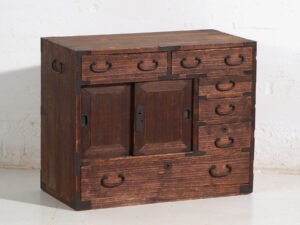
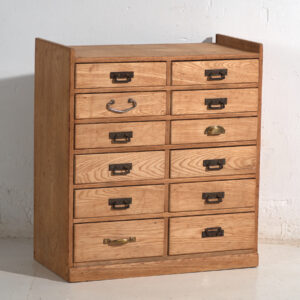
Small antique Japanese tansu cabinet – Meiji / Taishō Period (c.1890-1926) #26
985,00 € Includes VAT (if applicable) Add to cart -
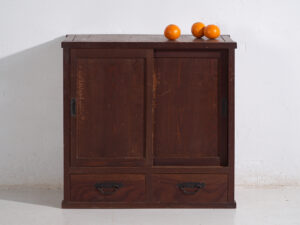
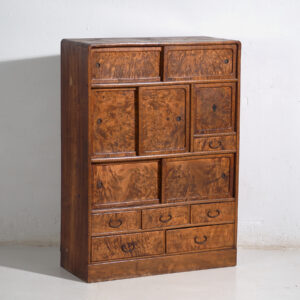
Antique Japanese cabinet with sliding doors – Taisho/Showa Period (c.1920-1950)
795,00 € Includes VAT (if applicable) Add to cart -
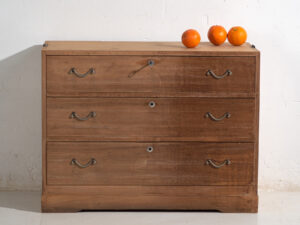
Antique Japanese chest of drawers – Taishō / Showa Period (c.1920-1970) #30
1.185,00 € Includes VAT (if applicable) Add to cart -
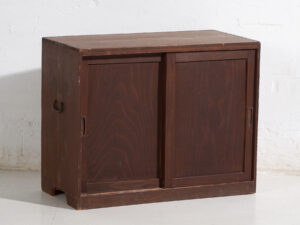
Antique Japanese Sliding Door Cabinet – Showa Period (c.1926-1945) #47
435,00 € Includes VAT (if applicable) Add to cart -
Antique Japanese mizuya-dansu kitchen cabinet – Period Taisho/Showa (c.1910-1940)
1.685,00 € Includes VAT (if applicable) Add to cart -
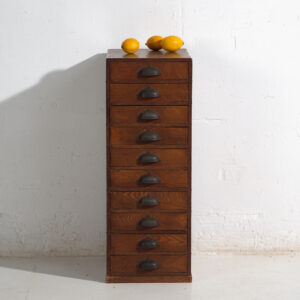
Artist storage chest Japanese ten-drawer cabinet – Showa Period (c.1950–1979)
590,00 € Includes VAT (if applicable) Add to cart -
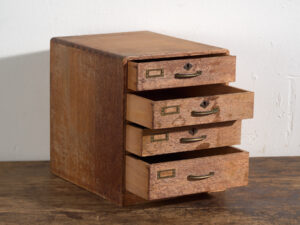
Japanese Desk Drawer Cabinet in Oak and Red Pine, Mid-Showa Period, circa 1945–1970
245,00 € Includes VAT (if applicable) Add to cart -
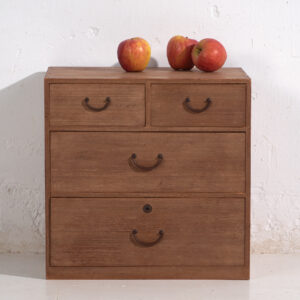
Small Japanese vintage style chest of drawers – Showa Period (c.1950-1979) #66
535,00 € Includes VAT (if applicable) Add to cart -
Antique Japanese Multi-Drawer Cabinet (Hikidashi-Dansu) – Taishō / Showa Period – c.1920-1940
1.455,00 € Includes VAT (if applicable) Add to cart -
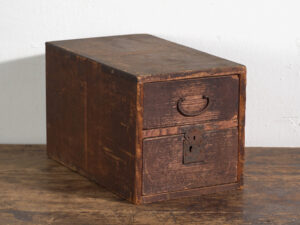
Small antique Japanese tansu document box – Late Meiji-Early Taisho Period (c.1880-1920)
365,00 € Includes VAT (if applicable) Add to cart
The Japan Collection brings together a curated selection of antique furniture and objects from the Japanese archipelago, created between the late eighteenth century and the mid-twentieth century. These pieces emerged during a period of transition, when traditional craftsmanship coexisted with new forms of domestic life.
Tansu cabinets, chests of drawers, small trunks, low tables and storage pieces reflect a particular way of understanding space: flexible, ordered and deeply connected to material. In these objects, function and beauty are inseparable; every joint, every iron fitting and every wood grain forms part of a coherent language.
Many of these pieces were crafted from traditional woods such as kiri (paulownia), Japanese cedar or keyaki. These materials were valued for their lightness, durability and stability, and over time they develop a deep and elegant patina.
Placed within contemporary interiors, these furnishings bring a quiet architectural presence. They do not dominate a room; instead they structure the space, introduce rhythm and create a sense of balance that is often absent in modern furniture.
Each piece has been selected for its authenticity, its proportions and the story preserved in its surface.